Choosing the right material for structural applications is crucial to ensure strength, durability, and cost-effectiveness. Among the many options available, Hot Finish RHS (Rectangular Hollow Section) stands out for its exceptional structural integrity and reliable performance under demanding conditions. In this blog, we’ll explore what Hot Finish RHS is and how it differs from Cold Finish RHS in terms of manufacturing and mechanical properties. We’ll break down the key advantages such as improved strength, enhanced weldability, and consistent dimensional accuracy. You’ll also learn about its wide range of applications, including commercial buildings, infrastructure, heavy machinery, and industrial frameworks. To ensure quality and safety, we’ll look at the relevant compliance standards these sections meet, such as EN 10210. Finally, we’ll help you evaluate whether investing in Hot Finish RHS is worth it for your specific needs and offer guidance on how to choose the right RHS product for your next project.
What is Hot Finish RHS?
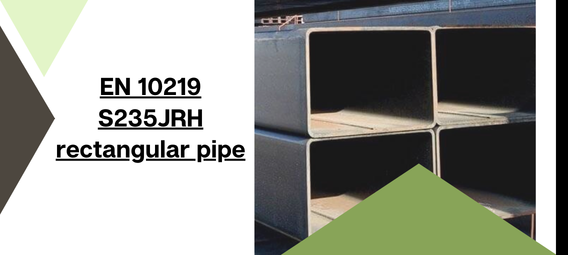
Hot Finish RHS is a rectangular hollow steel section, rolled and then heat-treated or normalized at elevated temperatures. The process allows the material to attain a consistent microstructure improving its mechanical properties. As opposed to cold-formed RHS, hot-finished ones are manufactured to provide improved performance under load and high-temperature conditions, such that they are best suited for structural uses.
Difference Between Hot Finish & Cold Finish RHS
The key difference lies in the manufacturing process. Cold Finish RHS is formed at room temperature, which may result in residual stresses and inconsistencies in the material. Hot Finish RHS, on the other hand, undergoes heat treatment after forming, which relieves internal stresses and refines the structure.
This results in better weldability, improved mechanical strength, and enhanced toughness for Hot Finish RHS, especially important in load-bearing or high-stress applications like bridges, buildings, and industrial frameworks.
Key Advantages of Hot Finish RHS
- Superior Structural Integrity
The hot finishing process improves the material’s grain structure, which leads to better consistency and reliability. This makes Hot Finish RHS less prone to cracking or failure under high stress, making it a preferred choice for heavy-duty structural applications.
- Improved Weldability
Hot Finish RHS has better welding characteristics due to its refined microstructure and the absence of residual stresses. This means fewer issues during fabrication and a more secure and lasting connection, which is crucial in large-scale construction.
- Dimensional Accuracy and Uniformity
Because the product is heat-treated, the dimensions of Hot Finish RHS are more accurate and uniform compared to cold-finished ones. This ensures a better fit in structural frameworks, reducing the time spent on adjustments during construction.
- Toughness at Low Temperatures
Hot Finish RHS maintains its toughness and strength even in colder climates. It performs well in environments where cold-finished sections might become brittle, which is especially important in infrastructure built in harsh weather conditions.
- Long-Term Durability
The fine grain structure and low residual stress cause longer-lasting material. Hot Finish RHS is resistant to deformation, and fatigue over time which aids in reducing maintenance expenses in long-term projects.
Applications of Hot Finish RHS in Structural Projects
- Commercial and Residential Buildings
Bridges, tunnels, and highways need materials that are resistant to high pressure and environmental stress. Hot Finish RHS provides the strength and reliability required for such demanding uses.
- Infrastructure Projects
Bridges, tunnels, and highways require materials that can withstand high pressure and environmental stress. Hot Finish RHS offers the durability and reliability needed for such demanding applications.
- Industrial Structures
In power plants, warehouses, and factories, Hot Finish RHS holds heavy loads and large equipment. Its fatigue resistance, and strength make it fit for such demanding applications.
- Agricultural Buildings and Equipment
RHS is frequently used in building barns, greenhouses, and equipment frames. Hot Finish RHS offers better weather resistance and a longer lifespan, reducing the need for frequent replacements.
Compliance with Structural Codes and Standards
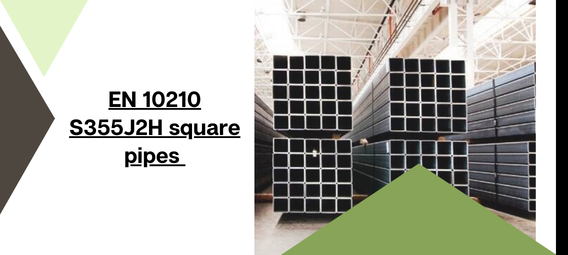
One of the standout features of Hot Finish RHS is that it is designed to meet international structural codes and standards, including EN 10210 or ASTM A500. These codes guarantee that the product has the necessary mechanical properties, and safety standards. The use of Hot Finish RHS makes approval easier for engineers and contractors, providing safe and code compliant construction.
Cost vs. Performance: Is Hot Finish RHS Worth It?
While Hot Finish RHS may come at a slightly higher upfront cost than cold-finished options, its performance, longevity, and reduced fabrication issues justify the investment. It offers a better return on investment by lowering maintenance costs and extending the lifespan of structures. In critical structural uses, performance must be prioritized over initial cost savings making Hot Finish RHS a wise long-term investment.
How to Select the Correct RHS for Your Project
In order to choose the correct RHS for your application, consider the following:
- Load Requirements: Know the load type and load quantity which the structure will carry.
- Environmental Conditions: If the project is in a cold or corrosive environment, Hot Finish RHS is more suitable.
- Fabrication Needs: For easier welding and precise fittings, opt for hot-finished sections.
- Standards Compliance: Ensure the material complies with the required structural codes.
- Budget: Factor in the total life-cycle cost, not just the initial purchase price.
Conclusion
Hot Finish RHS provides a robust, reliable, and long-lasting solution for a wide range of structural applications. With superior mechanical properties, compliance with international standards, and excellent performance in challenging environments, it’s a material that truly adds value to any construction project. Whether you’re building a commercial structure, an industrial facility, or an infrastructure project, Hot Finish RHS is a smart and future-proof choice.