EN 10219 S235JRH Rectangular Pipes
Materials for modern infrastructure demand an in-depth understanding of structural integrity and long-term reliability. The EN 10219 cold-formed structural hollow section is a standard in the engineering industry, offering a mix of strength and weight efficiency. Among these, the rectangular pipe used for support frames and mechanical systems stands out for its adaptable shape and ease of integration. Engineers and architects are increasingly depending on the EN 10219 S235JRH rectangular pipe for its consistent quality and ability to withstand severe loads in both construction and industrial applications. Choosing the right component requires more than just dimensions; it requires an understanding of the EN 10219 specification and how various steel grades operate under strain. This article discusses the most important elements to consider when selecting these pipes, such as material qualities, dimensional accuracy, and fabrication requirements, to ensure the success of any structural application.
Understanding the EN 10219 Standard and S235JRH Grade
The EN 10219 specification defines the delivery conditions for cold-formed welded structural hollow sections made of non-alloy and fine-grain steel. This standard ensures that every pipe meets stringent safety and performance requirements before it reaches the project site. The designation “S235JRH” has a special meaning: the “S” stands for structural steel, and the “235” represents a minimum yield strength of 235 MPa. The suffix “JR” indicates that the material passed longitudinal Charpy V-notch impact testing at room temperature, whereas the “H” specifies a hollow part. Unlike hot-finished pipes, these cold-formed pieces are shaped at room temperature, producing a smooth surface and accurate edges. This technique ensures the pipes’ durability for projects that require particular mechanical property requirements and predictable behavior during testing and installation.
Chemical Composition and Material Properties
The chemical composition of S235JRH material is precisely balanced, with a focus on weldability and ductility. Low carbon content is an important quality, as it prevents the steel from becoming too brittle during the welding process. Manganese is added to increase the metal’s overall strength and toughness, while phosphorus and sulfur levels are limited to prevent internal flaws and cracking. This composition has a direct impact on the pipe’s ability to handle stress and environmental changes. The notch impact test requirements ensure the material can absorb energy without suddenly fracturing, even under moderate strain. Because of these controlled elements, the steel maintains excellent toughness, making it a dependable choice for load-bearing applications where material consistency is vital for safety.
Mechanical Strength and Load-Bearing Capacity
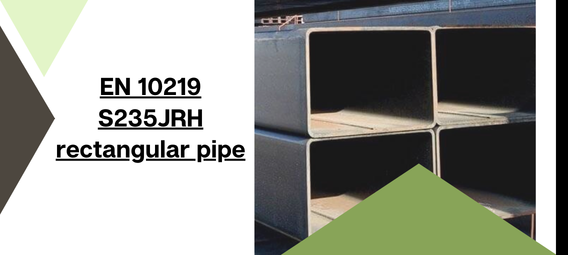
Mechanical performance is a top priority when choosing a rectangle pipe used for heavy-duty construction. The S235JRH grade offers a minimum tensile strength ranging between 360 and 510 MPa, providing a solid foundation for structural stability. These pipes perform well under static loads, such as in building frames, as well as dynamic loads found in machinery or transport infrastructure. Wall thickness and sectional dimensions play a massive role in how much weight a pipe can support without bending or failing. By selecting the correct thickness, engineers can optimize the weight of the structure without sacrificing reliability. The inherent stiffness of the rectangular shape helps resist torsion and buckling, which adds an extra layer of structural reliability during the fabrication and final installation phases.
Dimensional Accuracy and Surface Finish
Precision is essential in engineering, and the EN 10219 specification requires precise dimensional tolerances to ensure that each component fits perfectly. Cold-forming allows for sharp, clean edges and flat sides, which are extremely useful when creating intricate connections or bolt-on attachments. The rectangular shape provides better architectural flexibility than circular pipes, particularly when constructing flat surfaces for cladding or flooring. The cold-formed method also provides a high-quality surface polish. The smooth exterior eliminates the heavy scale found on hot-rolled products, which makes it considerably easier to apply protective coatings or decorative finishes. Compliance with these dimensional standards reduces the need for on-site changes, saving time and money while assembling large frameworks.
Weldability and Fabrication Considerations
One of the most outstanding properties of S235JRH material is its outstanding weldability. As the carbon equivalent value remains low, these pipes are compatible with popular welding processes like MIG, TIG, and arc welding, eliminating the need for lengthy preheating. This ease of joining is a significant factor in reducing fabrication time and overall project costs. Beyond welding, the material is simple to cut, bend, and form into custom shapes. Whether a project requires intricate angles or straightforward support beams, S235JRH responds well to workshop tools. This predictability in the manufacturing facility ensures that the final product remains the same as the original design. This allows manufacturers to use it efficiently, which provides durability of the material.
Corrosion Protection and Environmental Conditions
While S235JRH is a strong structural steel, it must be properly protected when used in humid conditions. Rectangular pipe used for outside frameworks should normally be coated with a high-performance industrial paint or hot-dip galvanized. The smooth surface of the EN 10219 pipe allows these coatings to adhere more effectively, forming a barrier to moisture and oxygen. Local humidity, salt exposure, and pollution levels will determine the type of protection required. The material is naturally good for mild to moderate exposure, but a well-chosen finish can make the structure last for decades. Checking the environmental conditions early in the selection process maintains the project appearing good and prevents rust from forming too soon.
Application Requirements and Industry Use
The EN 10219 S235JRH pipe is found in a massive range of industries due to its cost-effectiveness and strength. In the construction industry, it is the preferred material for building structures, roof supports, and pedestrian bridges. It is also widely used in the production of machinery frames, warehouse shelving, and large-scale industrial constructions. It is commonly used in agricultural equipment and transportation trailers due to its application. To meet the unique requirements of these various applications, it is critical to choose the appropriate size, and wall thickness. Using the right EN 10219 specification ensures that the pipe, whether supporting a high level or forming part of a crane’s arm, meets the industry’s safety regulations.
Supplier Quality and Compliance Factors
Working with a reputable supplier is the best way to ensure that the properties of S235JRH material meet the necessary standards. Every batch of pipe should include mill test certifications that verify the chemical and mechanical properties of the steel. These documents prove compliance with the EN 10219 standard and offer engineers confidence in the material’s origin and quality. Reliable suppliers conduct their own quality tests and store their products properly to avoid damage or surface corrosion before delivery. Consistent performance is essential in an area where a single mistake could damage the entire structure. Choosing a partner who understands the technical complexities of structural steel ensures that the project runs smoothly and without delays caused by poor materials.
Making the Right Choice for EN 10219 S235JRH Rectangular Pipes
At JF Engineering Products LLP, successful material selection involves a careful look at the EN 10219 specification to balance strength, fabrication ease, and long-term durability. We believe that understanding how the rectangle pipe used for your specific application behaves under load is the first step toward a safe design. By focusing on the unique properties of S235JRH material, you can achieve a perfect blend of cost-efficiency and high performance. Whether you are building an industrial warehouse or a simple support frame, the right grade of steel makes all the difference. Choosing EN 10219 S235JRH rectangular pipe provides the structural reliability needed for lasting results. Our team is ready to help you navigate these technical factors to ensure your project stands the test of time. Contact us at JF Engineering Products LLP to find the best solutions for your next structural project.