If you need to complete a project that involves pipes, then it is likely that you have considered the differences between rectangular steel pipes and square steel pipes. Which one should you use? What makes each type of pipe better or worse for a particular application? Here’s an overview of factors influencing your decision when choosing between rectangular and square steel piping so that you can make the right choice for your next project.
What is a Rectangular Steel Pipe?
Rectangular steel pipes are hollow sections formed by rolling steel sheets into a preferred shape that is then cut to length. The most commonly used shapes are rectangular, square, and round; however, any custom shape can be produced with the right process and materials. Steel pipes offer better strength and greater durability than regular piping, which makes them ideal for use in any engineering applications that require frequent transportation of goods or services. Additionally, they provide superior corrosion resistance than other types of piping material, making them an excellent choice for many industrial projects.
What is a Square Steel Pipe?
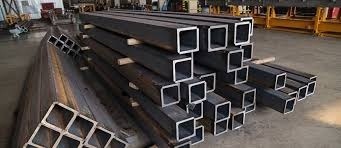
A Square Steel Pipe is a type of steel pipe that is square. It’s commonly used for structural support or casing, fencing, railing and other applications where superior strength and durability are desired. It can be composed of carbon steel, stainless steel or aluminium, depending on the application, and generally comes in different thicknesses and sizes to meet specific needs. Its uniform shape makes it easy to install with standard tools, providing excellent stability over time.
Shape and Size
The primary difference between rectangular and square steel pipes is their shape. Rectangular steel pipes have a flat surface and sharp corners, while square steel pipes have a uniform cross-section with smooth edges. The size of the pipes also differs, with rectangular pipes typically being larger than square pipes. The shape and size of the pipe depend on the application. For instance, a rectangular pipe might be more suitable for carrying larger volumes of water, while a square pipe is ideal for structural support.
Strength and Durability
Both rectangular and square steel pipes have excellent strength and durability. Steel is known for its toughness, resilience, and resistance to heavy loads and abrasions. However, the strength and durability of the pipes depend on their thickness, material quality, and manufacturing process. Generally, rectangular pipes have higher load-bearing capacity and bending strength than square pipes, while square pipes are more resistant to torsion and twisting forces.
Cost and Availability
Another consideration when choosing between rectangular and square steel pipes is their cost and availability. The cost of the pipe might depend on the size, thickness, and material quality. Typically, square pipes are more expensive than rectangular pipes due to their manufacturing process, which is more complex. Rectangular pipes are more readily available in the market, as they are commonly used in various industries, while square pipes might require a special order or custom fabrication.
Application and Functionality
The choice between rectangular and square steel pipes ultimately depends on the application and the desired functionality. Both types of pipes have numerous industrial and commercial uses, including building frames, conveyance systems, furniture, and signage. Rectangular pipes might be more suitable for applications that require higher water or fluid volume, such as irrigation or drainage. Square pipes might be better for applications that require more efficient structural support, such as scaffolding or columns.
Conclusion:
In conclusion, choosing between a rectangular and square steel pipe depends on several factors, including shape and size, strength and durability, cost and availability, and application and functionality. Both types of pipes have unique properties that are beneficial for certain applications. Therefore, consulting with a steel pipe expert or engineer is crucial to determine the appropriate pipe type for your project. You can ensure safe, efficient, cost-effective performance with the right choice.